
Why Calf Muscles Are So Hard to Build—And How You Can Overcome the Challenge

Intro to Building Calves
Most guys spend hours upon hours in the gym trying to build bigger, stronger arms—and usually, that's where all their focus goes. But if you really want to have a well-rounded physique, you need to put some serious effort into developing your lower legs—and that starts with your calves.
Calf muscles are notoriously difficult to develop, and there are a few reasons why.
Part of the problem is that humans are designed to make walking an energy-efficient activity, which doesn't require much engagement from the calves.
Even when we stand, most of our weight is supported by the bones of our feet, not our calf muscles. As a result, our calf muscles don't get enough muscle building tension during everyday activities..
Additionally, calves have a limited range of motion, which makes it difficult to create tension and break down muscle tissue.
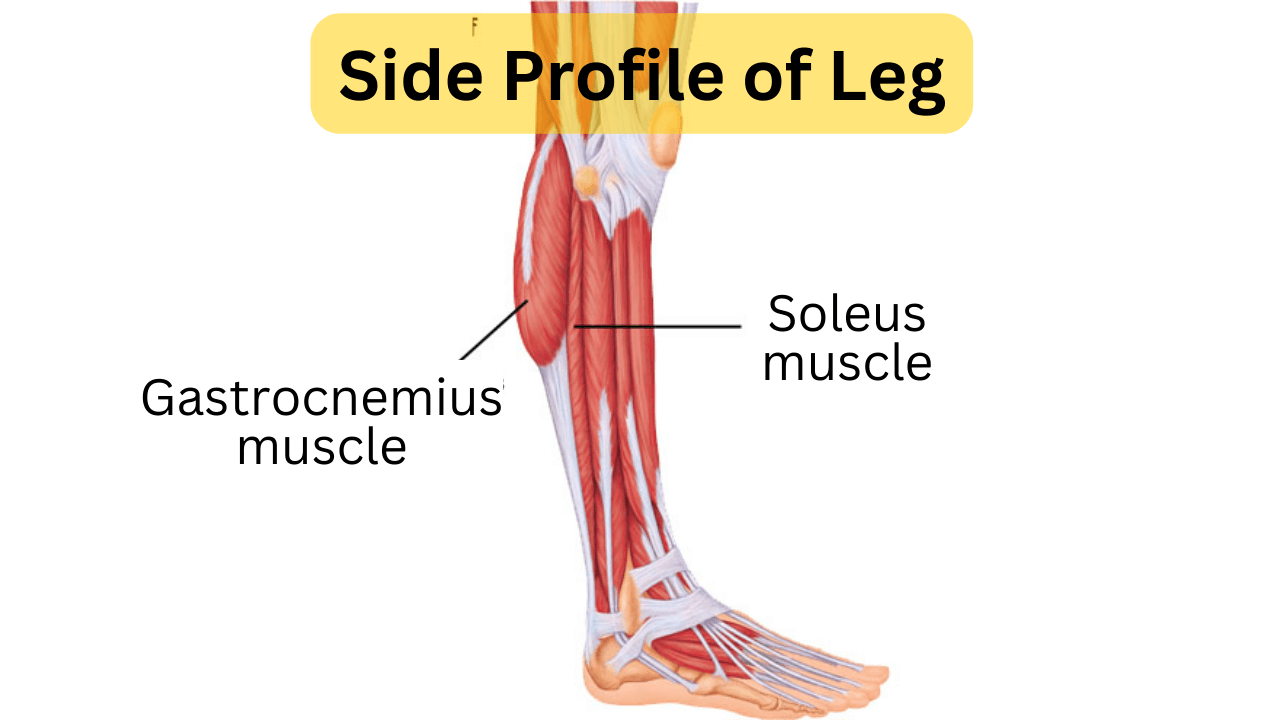
And lastly, your calf muscles are made up of two distinct heads—the gastrocnemius and the soleus muscles—which can respond differently to training stimulus.
Most people think that the best way to build muscle is by lifting heavy weights and doing low reps.
However, if you're looking to specifically target your calves, then you should focus on peak contraction. This allows the muscles to reach a deeper level of fatigue, and can lead to greater gains in size and strength.
To do these exercises, you will need to pause at the top and bottom of each rep, and hold peak contraction. The length of contraction varies and we’ll discuss the instructions for each exercise below.
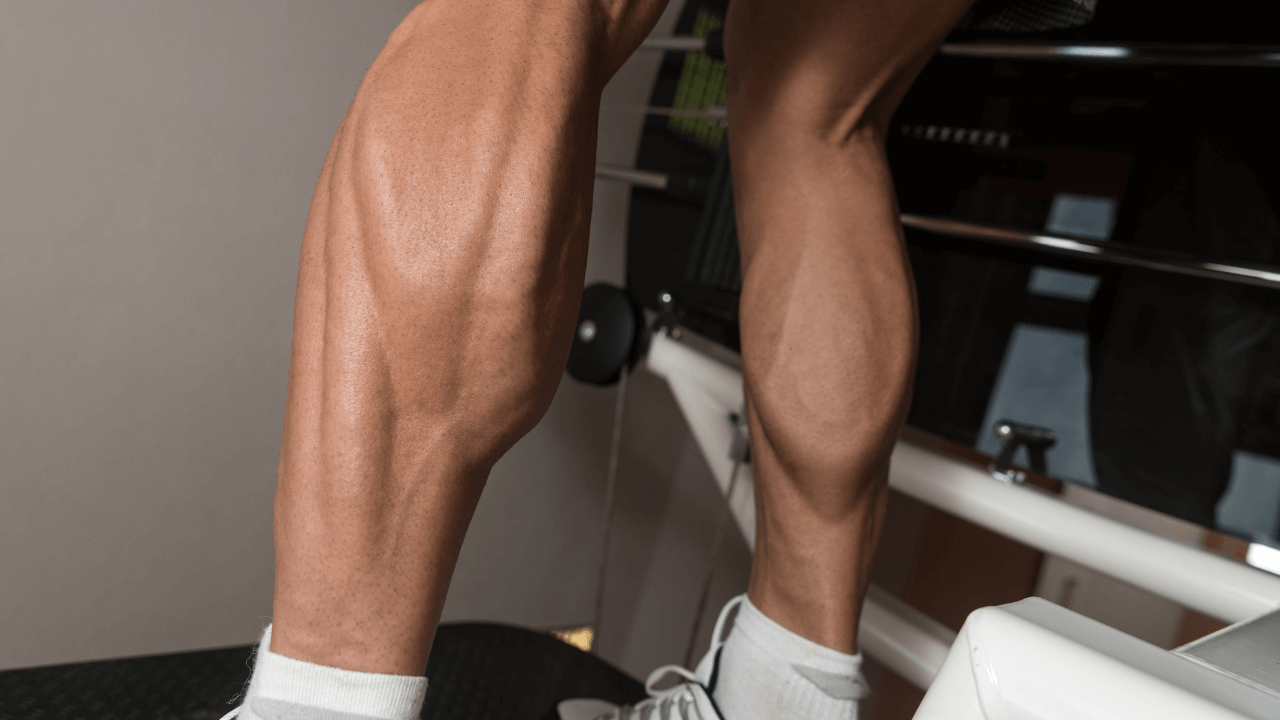
Calves are my specialty.
Some have referred to my calves as tree trunks. It didn’t happen overnight though. And while genetics certainly plays a role in how big your calves will get, do not think for a second that you cannot get your calves to grow and be more defined.
I will outline the proven workouts that have helped me.
I have used these exact workouts to build defined calves (with the exception of exercise #3 which is new to my routine).
In order to build bigger calf muscles, we need to find new ways to give them some extra attention.
Aside from known calf exercises you’ve probably seen before, I will share new exercises that I have used myself to trigger bigger calf muscles.
The beauty of what I will share is that most of these exercises can be done anywhere. I will show you that with a little extra effort, it is possible to build strong, impressive calf muscles.
The Best Exercises for
Building Bigger Calves
There are a few key exercises that should form the foundation of any good calf-building routine. Here are a few of my favorites:
1. Seated Calf Raise

This exercise is great for targeting the soleus muscle (one of the two heads of the calf).
To perform seated calf raises, start by sitting on the Calf Raise Exercise Machine.
If you don’t have access to one, you can sit on a bench with a weight plate resting on your knees. You’ll need a raised platform for your feet to go on to increase the range of motion.
Place your feet shoulder-width apart and press down into the balls of both feet to raise your body upward.
Hold the contraction at the top for a second and then slowly lower your heel back down.
You can change your foot angle to target the outer and inner calf muscle.

2. Standing Calf Raise

As the name implies, this exercise is performed while standing upright.
Holding a weight in your left hand, place your right hand on a sturdy support for balance.
Keeping your core engaged, raise your left heel as high as possible before lowering it back down below the level of your left foot.
Repeat for reps before switching sides.
3. Donkey Calf Raise
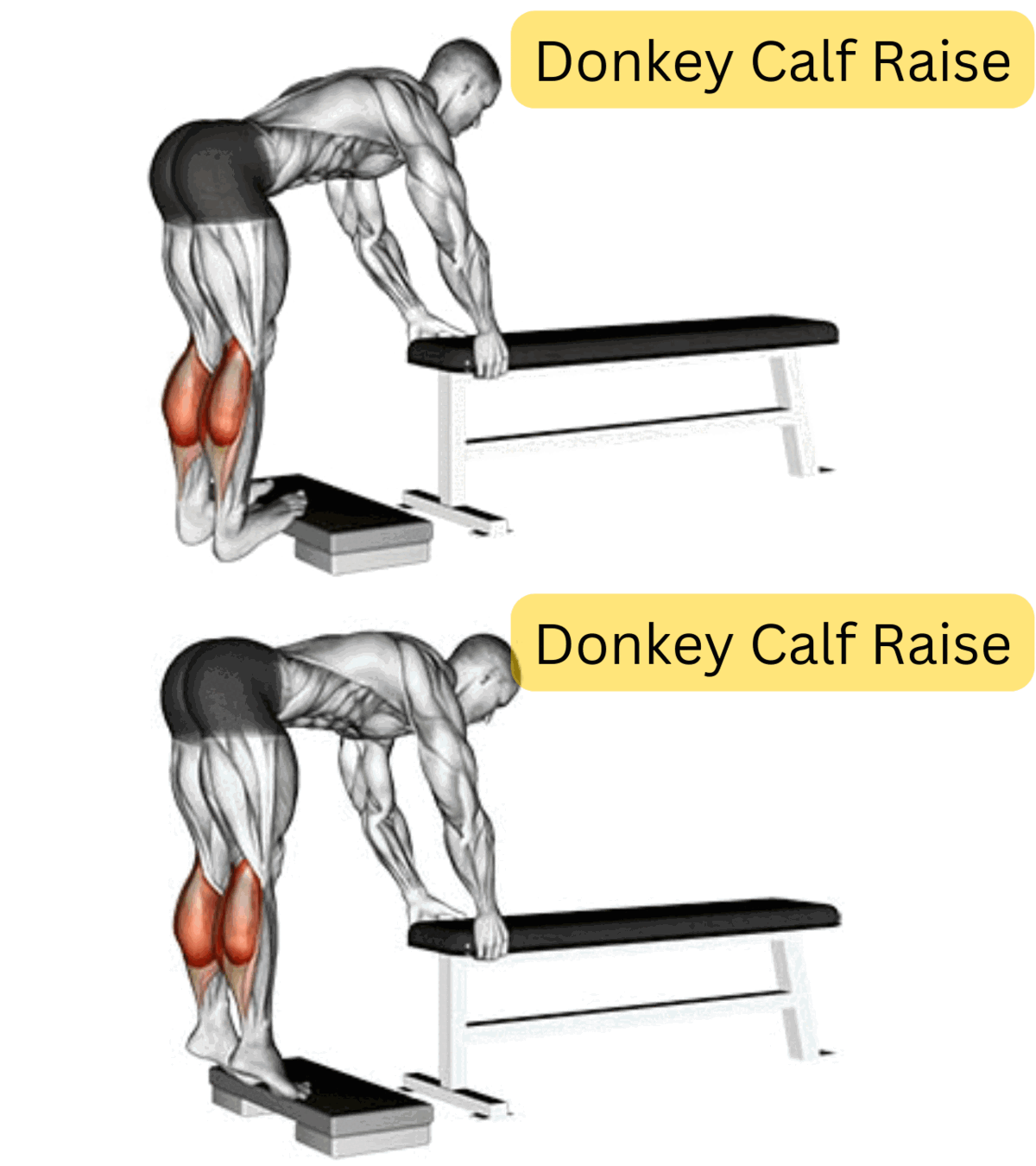
The donkey calf raise is another great exercise for targeting the soleus muscle.
To perform donkey calf raises, start by positioning yourself in front of a raised platform (a step or small box will work) with your toes hanging off the edge. Draw an imaginary vertical line from your hips to your heel and keep it this way during the repetitions.
Bring your torso down and place your hands on something sturdy for support.
Allow your heels to hang over the edge of the platform. Slowly raise your heels as high as possible before lowering them back down below the level of the platform.
☛ The Pro and Cons of Donkey Calf Raisess
Pros:
- What I like about this exercise is that it gives your calf muscles a greater stretch during the exercise.
Cons:
- While you get more stretch in the calf muscle in this position, it’s may be tougher to maximize the squeeze of your calf muscle in this position. Particularly your inner calf muscle.
- It can be uncomfortable if you are adding weight to the exercise because it's placing weight on your lower back. In my experience I have found that adding too much weight in this position puts more tension on my back muscle as opposed to my calf muscle.

4. Catcher Calves
This is a Tension Original exercise that we created. And true to the name, it involves crouching down in a catcher’s stance.
It may be helpful to first do a sitting calf raise or a standing calf raise before you move onto this exercise. The reason is because you’ll already have pre-engaged and primed your calf muscle to make them more responsive.
Have your feet about shoulder width apart and positioned outward. Then, go down into a catcher position and onto the balls of your feet.

Lift your heel higher off the ground and squeeze your calf muscle as it contracts.

This is an isometric exercise. That means you’ll hold this position for as long as possible, really squeezing your calf muscle as much as you can. Shoot for minutes, not seconds.
Next bring your heels to the floor and lift only one heel. Lean slightly toward your knee of the side you’re exercising (i.e. lean left if you are exercising your left calf).

Squeeze your calf muscle for 1+ minute. Lower heal and repeat on the other side.
Rest for as long as you need.
Repeat sequence 2 to 3 times.
5. Seated Diamond
Calf Exercise
This is another Tension Original exercise, the Seated Diamond Calf Exercise.
For this exercise, you’ll need to have socks on or be barefoot.
In a seated position, put your knees together. Then, spread them apart so they’re about 90° apart.

For this next step, you will keep your knees in place and only move your feet.
Bring the inner balls of your feet together while flexing your calf muscle.
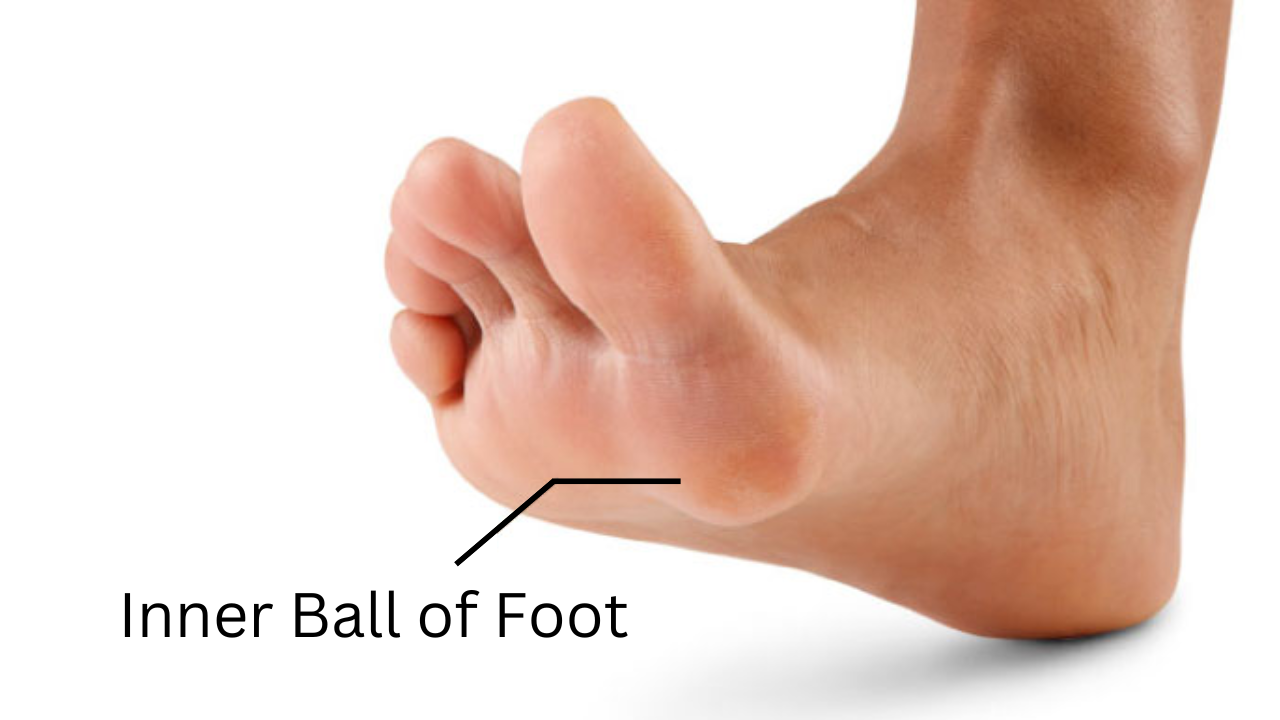
Your toes will be bent on the floor.
Focus on squeezing the outer part of your calf (the soleus muscle).
Squeeze for as long as you can.
The key here is to go for length of time. Strive for minutes, not seconds here.
If this is your first time doing this, then shoot for 30 seconds.
Next we’ll focus on the inner calves.
Follow the same steps as above, but this time lean your torso slightly forward and have your knees go slightly back. Instead of being about 90° apart, it will be about 130° apart.
Also, your heel will be turned more inward to help you contract your inner calf muscle.

Focus on squeezing your inner calf muscle.
Repeat sequence 2 times.
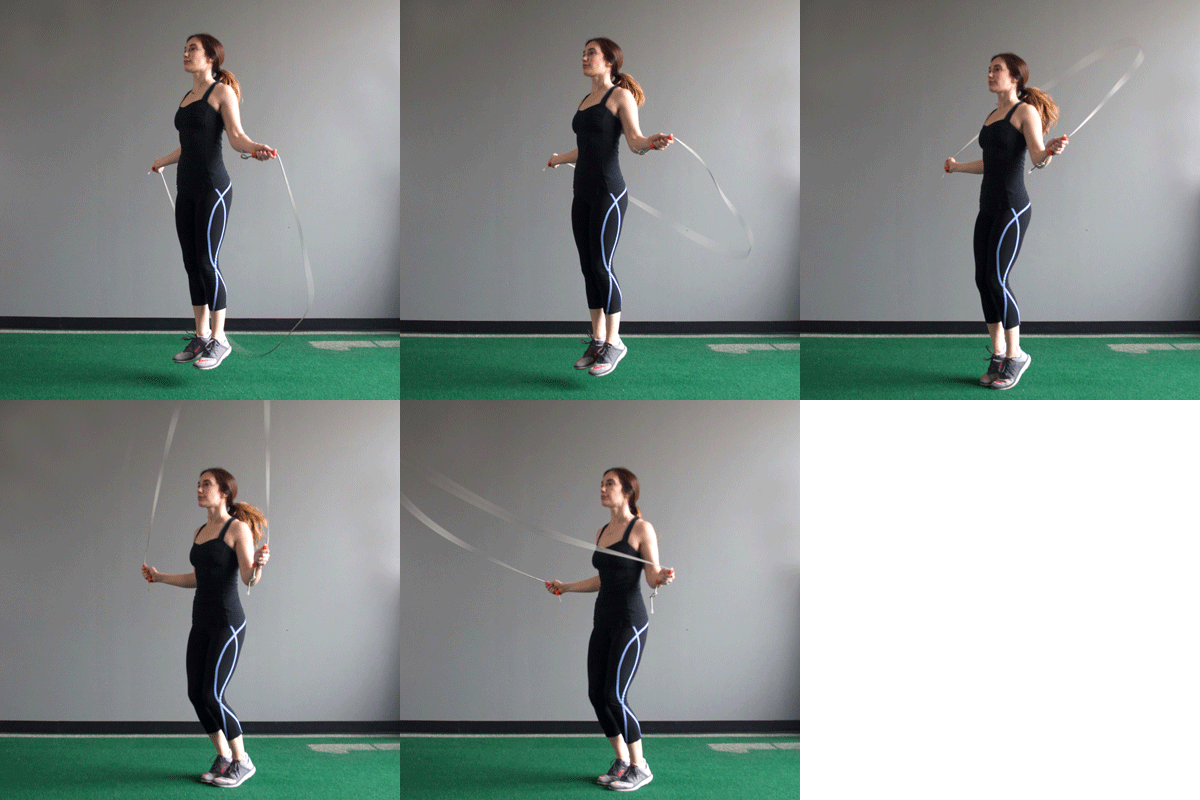
6. Jump Ropes
Stay on the balls of your feet the entire time you’re jump roping.
Do this for 1 minute. Rest and repeat 2 times.
7. Foot Flick
In this exercise, you’ll walk moderate intensity.
Think of a power walking speed.
The focus here is all on your calves. You are going to thrust your foot off the ground while you’re walking. Flick your foot back in a subtle but mindful way.
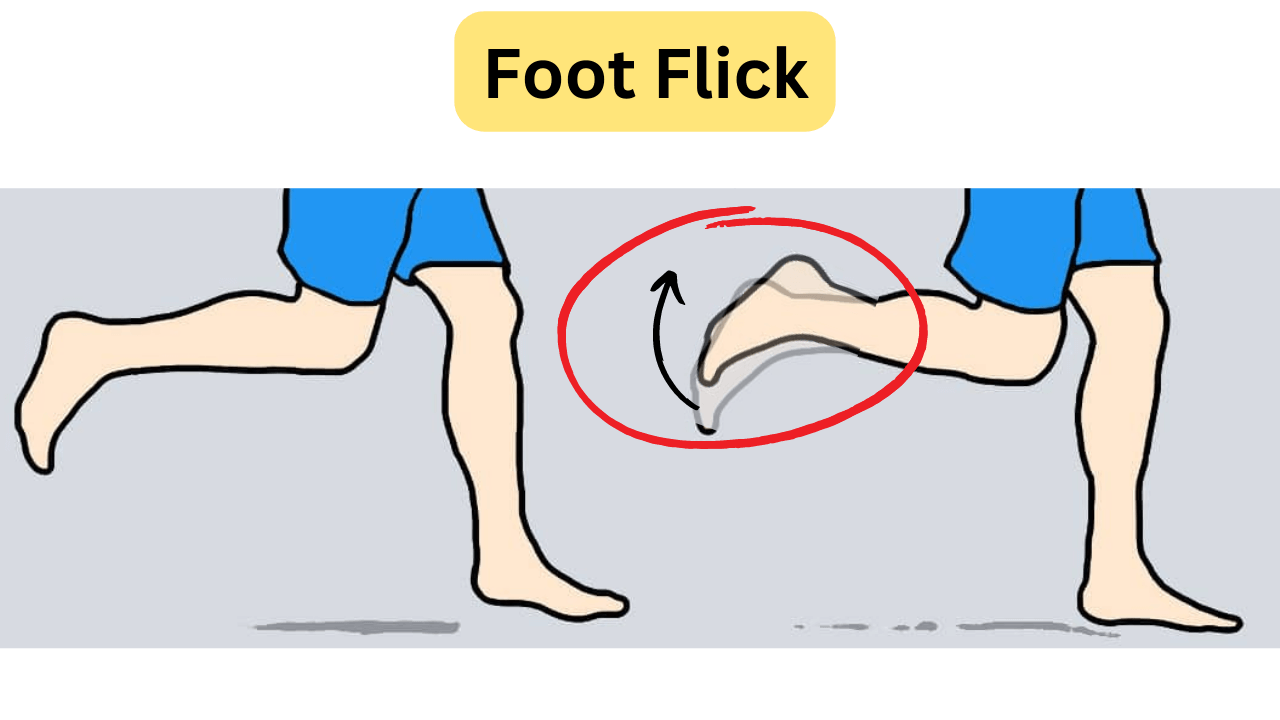
Your back foot will come up slightly higher than when you normally walk. As your foot curls up, squeeze your calf muscle.
8. Calf Stretching
These exercises will really stress your calf muscle. After all the contractions you’ll want to stretch out and lengthen the calf muscle.
I would suggest you do this in between your sets as well.

You can do this calf stretch on a staircase or a raised platform. You’ll want to make sure your foot does not slip off the edge of the step, so be sure to do this with shoes or bare feet.
On a staircase, grab the railing with your hand for balance and lower your right foot to the step below you. Then put the balls of your right foot on the edge of the step and lower your body.
Keep you back leg straight. You should feel the stretch in your calf and behind your knee.

There are two ways to perform the toe reach calf stretch.
Option 1: One foot outstretched
Sit on the floor with one leg extended straight in front of you.
Bend the knee of your other leg and place the bottom of your foot on the inner thigh of your outstretched leg.
Lean forward with your arms extended and reach for the toes on your outstretched leg.
Hold for 30 seconds, then switch sides.
Option 2: Two feet outstretched
Sit on the floor with both legs extended straight in front of you.
Lean forward with your arms extended and reach for the toes on your outstretched legs.
Hold for 30 seconds.
Putting It All Together:
Calf Training Routine
One of the keys to continuing to see results is regular exercise progression.
Here's an example of an effective calf-building workout routine that you can use:
1. Seated Calf Raise: 3 sets x 12-15 reps
2. Standing Calf Raise: 3 sets x 12-15 reps
3. Donkey Calf Raise: 3 sets x 15-20 reps
4. Catcher Calves: 2 sets x 1+ minute
5. Diamond 2 sets x 1+ minute
6. Jump Ropes: 3 sets x 1 minute
7. Foot Flicks: for entire length of your power walk
8. Calf Stretches (also do some stretching while you rest in between sets)
Conclusion
Calf muscles can be stubborn and difficult to grow—but with enough dedication (and putting these tips to use), you can build bigger calves!
In this blog post, we covered everything you need to know about building bigger calves, including some key exercises and training tips.
So what are you waiting for?
Get out there and start building those tree trunks!
