
My 96-Hour Water Fast Experience
Embarking on a 96-hour water fast wasn't a decision I made lightly. Inspired by the potential health benefits such as improved focus, detoxification, and a sense of personal achievement, I was curious to see how my body and mind would respond to this challenge.
This article explores the major benefits of water fasting and details my own journey through this fasting period, providing a day-to-day account of my experiences.
Exploring the Science of Autophagy During Fasting
One of the most fascinating aspects of extended fasting, like the 96-hour water fast I completed, is its impact on a process called autophagy. The term 'autophagy' comes from the Greek words for 'self' (auto) and 'eating' (phagy), and it's precisely this 'self-eating' process that makes it so intriguing.
Autophagy is the body's way of cleaning out damaged cells, in order to regenerate newer, healthier cells. It's a natural regeneration process that occurs at the cellular level in the body, helping to maintain proper cell function and homeostasis. Essentially, cells create internal 'recycling bins' where they dump damaged parts; these are then broken down and used for energy or to make new cell parts.
Autophagy and Your Health
This self-regulating mechanism of autophagy is not just a cellular maintenance process but a critical defender of overall health, impacting everything from brain function to cancer prevention.
Decreased Risk of Neurodegenerative Disease
One of the critical benefits of autophagy is its role in brain health. By clearing out damaged proteins and organelles, autophagy helps in reducing the risk of neurodegenerative diseases. This is crucial as the accumulation of such damaged components is often linked with disorders like Alzheimer's and Parkinson's disease.
Potential in Cancer Prevention
Autophagy also plays a significant role in cancer prevention. By removing damaged cells and preventing their proliferation, autophagy helps in reducing the risk of cancerous growths. It's a balancing act; while excessive autophagy can be detrimental, a moderate level helps maintain cellular integrity and prevent the development of cancer cells.
The Role of Fasting in Autophagy
Autophagy is typically a slow process, but fasting significantly accelerates it. When we fast, the reduced intake of calories and lower levels of glucose and insulin in the bloodstream stimulate autophagy. Essentially, in the absence of external sources of energy (like food), our cells turn inwards for energy, initiating this process of internal cleansing and renewal.
The Benefits of Water Fasting: A Timeline
0-12 Hours: Digestion and Insulin Peaks
The body processes the last meal, with insulin levels peaking to facilitate glucose absorption.
12-18 Hours: Fat Burning Commences
With falling insulin levels, the body starts burning fat, marking the beginning of physiological changes.
18-36 Hours: Ketosis and Autophagy
The body enters ketosis, using fat for energy. Autophagy, the cellular self-cleaning process, begins, potentially aiding in cellular repair.
36-48 Hours: Enhanced Autophagy and Growth Hormone Surge
Autophagy intensifies, offering potential health benefits. A spike in growth hormone helps preserve muscle and burn fat.
48-72 Hours: Immune System Rejuvenation and Inflammation Reduction**
Fasting may reset the immune system and reduce inflammation, improving overall health.
72-96 Hours: Deepened Ketosis and Increased Mental Clarity
Autophagy maxes out around 72 hours. Many experience heightened mental focus and sustained energy levels in this phase.
A Cautionary Tale: Angus Barbieri’s 382-Day Fast
In the context of extended fasting, it's essential to mention Angus Barbieri, who fasted for 382 days under medical supervision, losing about 276 pounds (125 kg). While his case illustrates the human body's adaptability, it's crucial to note that Barbieri died nearly 20 years later at the age of 51 from undisclosed causes. This underscores that while extended fasting is possible, it is not necessarily advisable, and longer fasting periods don't always equate to better health outcomes.
My 96-Hour Fast: A Day-by-Day Breakdown
 Disclaimer: Before delving into my experience, I must emphasize the importance of consulting with a healthcare professional before attempting any form of extended fasting, especially for individuals with pre-existing health conditions.
Disclaimer: Before delving into my experience, I must emphasize the importance of consulting with a healthcare professional before attempting any form of extended fasting, especially for individuals with pre-existing health conditions.
Day 1 (Saturday): The Beginning
My water fasting journey began on Friday at 6:30 PM, right after my last meal. As I transitioned into the first full day of fasting on Saturday, I was embarking on a new and uncharted personal challenge.
Morning Routine: My day began with the familiar comfort of 2 cups of black coffee, a habit I've maintained since I was 18. This semblance of normalcy in my morning routine was grounding as I started this new challenge.
Hydration Schedule:
8:00 AM - 10:30 AM: I consumed my first 50 oz bottle of water, initiating the fasting process and prioritizing hydration right from the start.
10:30 AM - 11:00 AM: The second 50 oz water bottle followed, this time with a scoop of electrolytes, ensuring my body maintained its essential mineral balance. You can purchase the electrolyte I used (Amazon).
12:30 PM - 2:00 PM: I continued with my third 50 oz bottle of water, keeping a steady pace in my fluid intake.
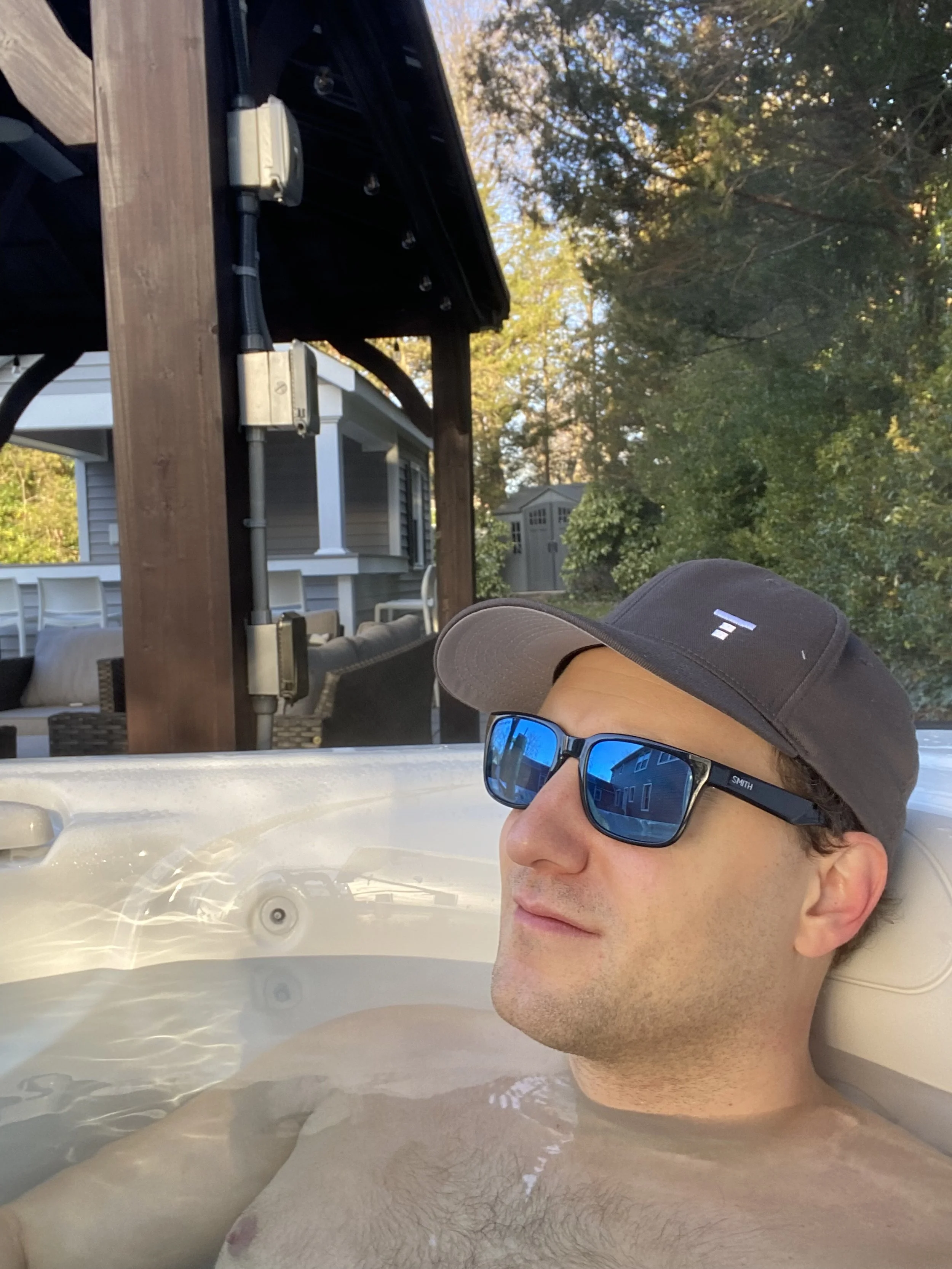
Midday Relaxation: I took a relaxing break in the hot tub from 12:45 PM to 1:30 PM. This not only offered a physical respite but also a mental one, allowing me to take my mind off food for a bit.
Evening Hydration:
5:30 PM - 6:30 PM: The fourth water bottle included 2 scoops of electrolytes, further supporting my body's nutritional needs, especially after my hot tub session.
9:00 PM onwards: I rounded off the day by starting my fifth 50 oz bottle of water. This consistent hydration was key to maintaining my physical and mental well-being on the first day of the fast.
Observations: The initial hours were filled with nervous anticipation. Doubts and questions about my ability to last the entire duration plagued my mind. By evening, I was acutely aware of my stomach's growls but remained committed.
Day 2 (Sunday): The Test
Morning Routine: My day started with my customary 2 cups of black coffee. Additionally, I engaged in isometric shoulder holds for 4.5 minutes and 2 minutes, an attempt to maintain some physical activity.
Hydration Schedule:
Continuation from Day 1: I finished the fifth 50 oz bottle of water that I started the previous night, carrying on my hydration into the early morning.
8:30 AM - 10:00 AM: My sixth bottle of water for the day.
10:00 AM - 11:00 AM: I consumed the seventh water bottle, this time with electrolytes added, staying mindful of replenishing vital minerals.
1:30 PM: A shot of espresso coffee at 1:30 PM provided a welcome change and a bit of a mental lift.
2:00 PM - 5:00 PM:: Between 2:00 PM and 5:00 PM, I had my eighth bottle of water, with two scoops of electrolytes.
Evening: The ninth bottle of water was consumed in the late afternoon and evening. The day concluded with two cups of soothing chamomile tea between 8:00 PM and 9:00 PM, offering a calming end to a challenging day.
Mental and Physical Observations:
Vivid Dreams and Fears: The night brought a vivid dream where I inadvertently ate eggs while preparing breakfast for my children. This dream reflected my subconscious fears and heightened awareness about food.
Battling Temptation: Throughout the day, my mind frequently wandered to thoughts of snacking, a testament to the habitual nature of my eating patterns.
Physical Sensations: The morning was marked by a grumbling stomach and a sense of coldness, both common reactions in fasting. Loose bowels were also a notable physical response to the fast.
Afternoon Cravings: As the day progressed, I experienced significant food cravings by mid to late afternoon.
Evening Lethargy: The day culminated in a state of lethargy, with my mental clarity diminishing as the evening approached.
Day 3 (Monday): The Turning Point
Morning Renewal: I woke up at 5:00 AM feeling unexpectedly refreshed, despite only having 6 hours of sleep. There was a noticeable sense of lightness and increased mental clarity, a pleasant start to the day. This was complemented by my usual 2 cups of black coffee, which continued to offer a sense of normalcy.
Hydration Focus:
Early Morning: I finished the ninth 50 oz bottle of water from the previous day, continuing my strict hydration regime.
9:00 AM - 11:00 AM: Consumed my tenth water bottle.
11:00 AM - 11:30 AM: Between 11:00 AM and 11:30 AM, I consumed the eleventh bottle, this time enhanced with two scoops of electrolytes, attentive to replenishing and maintaining my body's mineral balance.
3:00 PM - 8:30 PM The twelfth bottle of water was consumed from 3:30 PM to 5:00 PM, followed by the thirteenth, with a scoop of electrolytes, between 5:30 PM and 8:30 PM.
Mental Strategy and Physical Sensations:
Coping Mechanism: The anticipation of reaching the end was a significant motivator. The thought of breaking my fast on Tuesday night with a rewarding meal kept me going through the challenges of the day. I focused on keeping my mind preoccupied with tasks and activities, finding that this mental engagement was crucial in managing the physical demands of the fast.
Physical Observations: Despite a strong start to the morning, I noticed a gradual onset of lethargy as the day progressed. My physical strength seemed to wane, evidenced by a weaker grip and a feeling of weakness in my knees. A slight shakiness emerged as I neared the final 24 hours of the fast.
Day 4 (Tuesday): The Final Stretch
Early Awakening: The day began at 4:00 AM after about 5.5 hours of restless sleep, marked by food-centric dreams and some tossing and turning. My hunger was more pronounced than previous days, with my stomach audibly growling, signaling a heightened sense of anticipation for the fast's conclusion.
Hydration and Coffee:
Morning: Despite the increased hunger, I maintained my hydration discipline, consuming the fourteenth 50 oz bottle of water between 8:00 AM and 12:00 PM, along with my customary 2 cups of coffee.
Late Morning to Afternoon: The fifteenth bottle of water, with a scoop of electrolyte, was consumed between 1:00 PM and 2:00 PM, followed by the sixteenth and final bottle from 4:00 PM to 4:30 PM.
Physical and Mental State:
Morning Sensations: The early part of the day was challenging; I felt weak and shaky.
Mood and Energy Shift: Interestingly, as the day progressed into late morning, I experienced a noticeable improvement in my energy levels and mental clarity. My mood lifted, and I felt more resilient and upbeat despite the ongoing hunger.
Coping with Hunger: Thoughts of my upcoming dinner were both tantalizing and torturous, intensifying my hunger each time I thought about it. To distract myself, I engaged in phone conversations with friends and family, which effectively took my mind off my hunger and helped pass the time.
Reflections on Activity Levels:
Reduced Activity: Over the course of the fast, particularly after the first 24 hours, I observed a distinct drop in energy levels and a slight increase in irritability. This reinforced my decision to take Monday and Tuesday off and to limit my activities over the weekend.
The Importance of Rest: This experience highlighted the importance of not overexerting oneself during an extended fast. Staying at home allowed me to focus on proper hydration and manage the frequent bathroom visits due to the high water intake.
Conclusion: Reflecting on My 4-Day Fast
As I navigated through the four days of my water fast, I meticulously tracked my intake, resulting in a total consumption of 100 cups of water. This hydration played a critical role in supporting my body through this intense period of fasting, helping to maintain my physical functions and manage feelings of hunger.
The culmination of this fasting journey was marked by a significant moment: my first meal on Tuesday at 6:30 PM. I chose a nourishing and gentle option to reintroduce food to my system – a big bowl of homemade vegetable soup.
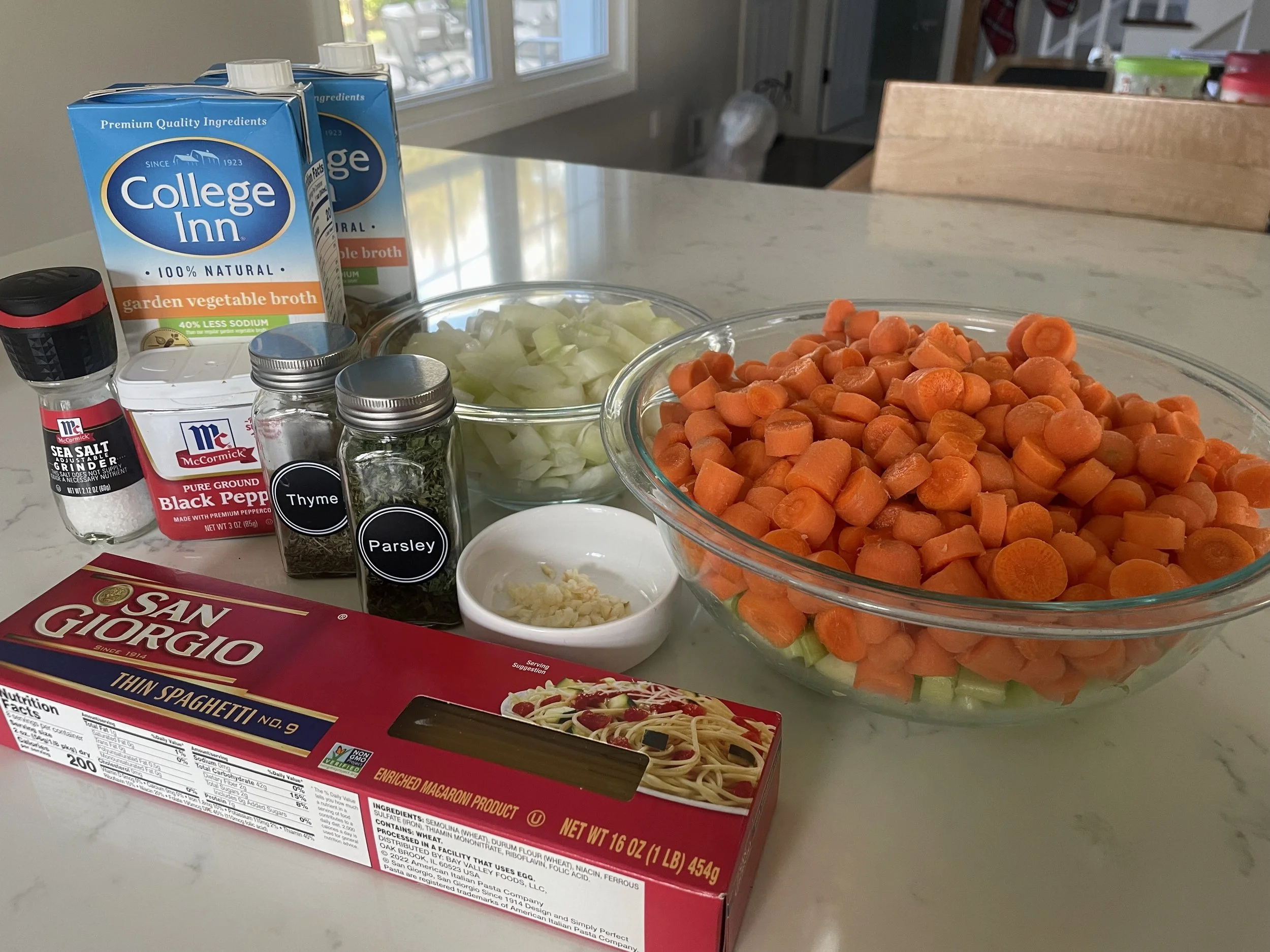
This soup, brimming with nutrients from celery, carrots, and onions, was not just a meal; it was a celebration of completion and a gentle reawakening of my digestive system. Accompanying the soup, I had spaghetti, a comforting and familiar choice to ease back into regular eating.
Final Thoughts
During my 96-hour water fast, I was particularly interested in this natural 'housekeeping' function of my body. While it's impossible to directly feel autophagy happening, the overall sense of rejuvenation and mental clarity I experienced can be partly attributed to this process. It's like giving your body a chance to 'reset' and emerge cleaner, more efficient.
Completing the 96-hour water fast was a journey of self-discovery and resilience. It taught me the importance of mental strength when facing physical challenges. While I experienced moments of weakness and hunger, the sense of achievement and mental clarity gained were remarkable. However, it's crucial to note that fasting is not a one-size-fits-all solution and should be approached with caution and professional guidance.
What about you? Would you consider fasting? Have you ever fasted before? Please share your experiences or thoughts on water fasting in the comments below.
