
Belly Fat Burner #3: The Dynamic Duo to Shrink Belly Fat
Belly Fat Burner#3: The Dynamic Duo to Shrink Belly Fat
Batman and Robin have long been touted as the dynamic duo for their great teamwork and their complementary skills. But it may be time for them to step aside and give way to the new dynamic duo in town- vitamin D and calcium.
This mineral/vitamin partnership is saving people all over the globe from their dreaded ‘fat pants’. They are slashing inches off waistlines and bringing the scale-needle to an all-time low.
Vitamin D plays a crucial role in strengthening bones/teeth, improving our mood, and boosting immunity. Vitamin D has been shown to be an overall powerhouse for your physical and mental health, but it’s been flying under the radar for perhaps one of its biggest benefits- keeping your weight in check.
Did You Know?
Vitamin D is really not a vitamin after all. Did I just blow your mind? The first time I heard this I was in complete shock. Vitamin D is a prohormone, not a vitamin. It essentially has hormone regulating effects on the body. [12]
The main role vitamin D plays in this fat loss equation is to help its co-star, calcium, become absorbed by the body. Calcium is a mineral that builds strong bones, helps our blood clot and helps our nerves properly function. [11] But a growing body of research shows calcium signals your body to go from a fat storage state to a fat burning state naturally. When you don’t get enough calcium, your body can have 5 times the amount of fatty acid synthase, an enzyme that converts calories into fat. [12.1]
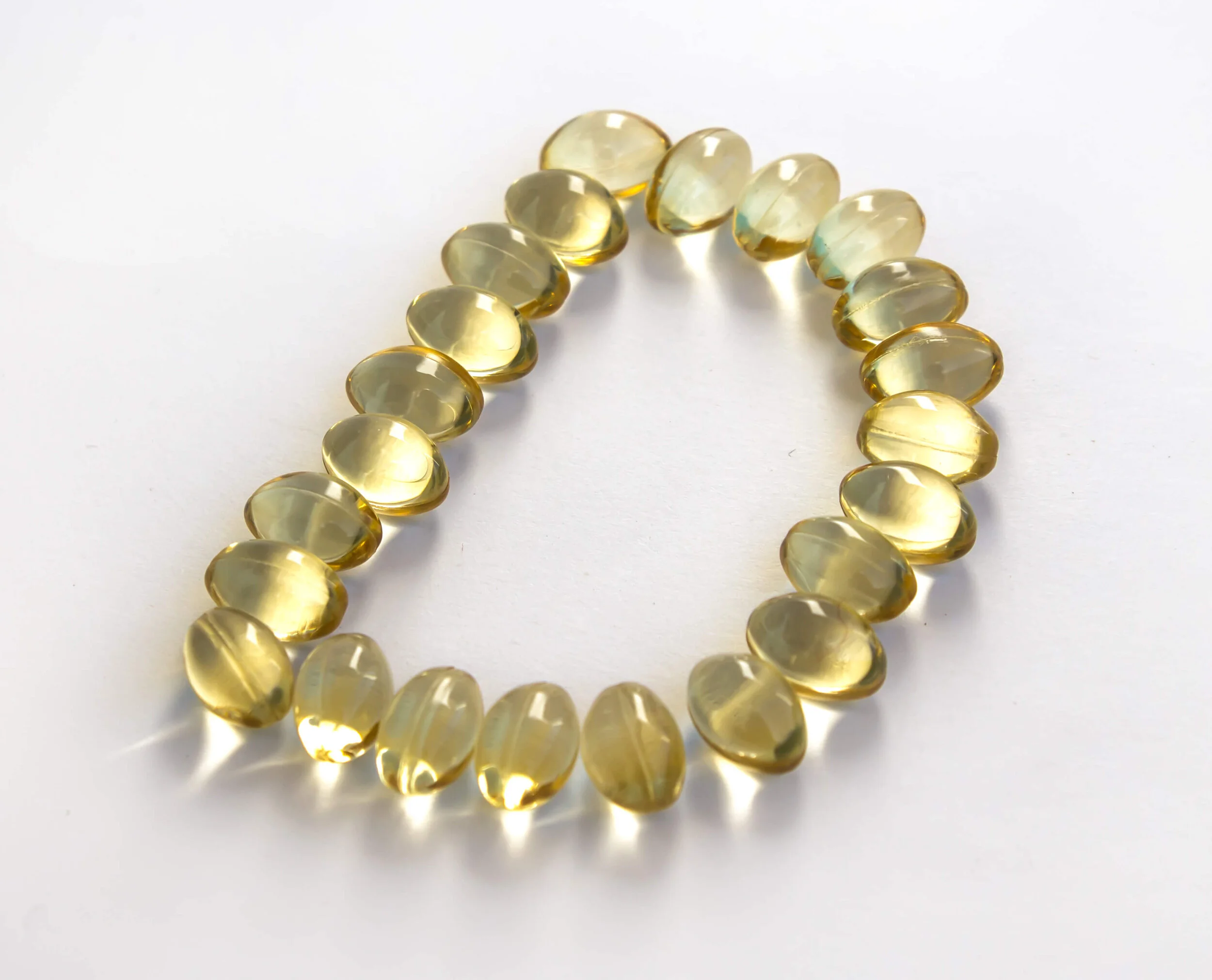
Vitamin D and calcium, hereby referred to as ‘the duo’, can help you burn more stubborn fat especially around your midsection. Studies at the University of Minnesota and Laval University found that those who took the duo lost more belly fat.
The pairing is thought to reduce cortisol levels, which is a stress hormone that triggers fat storage primarily in your stomach. [13]
The second study that supports ‘the duo’s’ belly burning properties hales from Australia. It showed that people who ate a breakfast high in vitamin D and calcium ate less and helped people feel more satisfied for the whole day. One explanation for this is that vitamin D deficiency has been linked with insulin resistance, which you will see in Belly Fat Burner #4 can lead to an increase in appetite.
If the previous studies were not enough to persuade you to obtain the proper levels of vitamin D and calcium in your diet, this may. In a 2009 study published in the British Journal of Nutrition , obese women who were put on a 15 week diet and had 1,200 milligrams of calcium a day lost six times more weight than women who followed the diet alone. [14]
Another study published in 2004 found that those who consumed their calcium by eating more calcium-rich foods lost 24 pounds (1,137mg of calcium) compared to the group that took a calcium supplement (1,256mg of calcium). They lost 18.9 pounds, which is 5.5 pounds less than those who had had their calcium from food sources. It’s important to note that the two groups of participants were on a 500 calorie per day deficit. [21]
What this means to me is that if you really want to slash your numbers at the scale, decrease the amount of calories you eat and increase your calcium and vitamin D intake.
It will enhance the slimming effects of just reducing calories alone.
Not consuming ‘the duo’ even if you do cut calories still has some effects on flattening your midsection. In a separate study published in American Journal of Clinical Nutrition , participants were not on a reduced calorie diet. They instead were required to drink orange juice fortified with vitamin D and calcium (providing 1,050 mg of calcium and 300 IU of vitamin D). Even though both groups lost the same amount of weight the fortified OJ bunch lost substantially more belly fat. [15]
As discussed earlier our recommendations go beyond the scale.
Your health depends on getting enough vitamin D.
Vitamin D and calcium play a crucial role in skeletal health. Low levels of vitamin D cause reduced calcium absorption in the intestines, leading to increased parathyroid hormone levels and increased bone turnover and, subsequently, osteopenia and osteoporosis. [17.1]
You may be thinking, “Ok Joe, hold it there a second. I’ll be right back after I buy me some calcium supplements.”
Hold on for a second. Let me tell you why you shouldn’t do that.
You’re most likely getting enough calcium from the foods you eat. If you’re not, then fix it with food, not supplements. We’ll show you what food sources give you the most calcium.
I am a BIG advocate of supplements, except in this scenario.
The reason is because our body will absorb more calcium when vitamin D levels increase. [17.1]
And if you’re like most people, you have a deficiency in vitamin D. So once you fix that, chances are your calcium absorption will be just right. There are always exceptions to the rule, so again make sure your doctor knows what you plan on doing.
I do recommend taking a vitamin D supplement however. We’ll talk about where your levels ought to be in the upcoming section.
What You Need to Know About Vitamin D

What are good sources of Vitamin D?
Vitamin D can be manufactured by your own body when exposed to the sun. Your skin synthesizes vitamin D from the ultra-violet light (UVB rays) in sunlight. After the age of 40 however, your body doesn’t make as much
Vitamin D can be found in the following food sources as well:
Salmon (1,400 IU)
Tuna (154 IU)
Flounder (118 IU)
Milk (120 IU)
Eggs (40 IU per egg)
Shitake Mushrooms (45 IU)
Ricotta Cheese (25 IU)
Fortified Orange Juice (137 IU)
Who’s at risk for being vitamin D deficient?
In a 2000 study reported in the Archives of Internal Medicine, 77 percent of Americans are vitamin D deficient. [18] There are many reasons why so many people don’t have enough vitamin D in their system.
It is not as easy to get your recommended vitamin D dose just from the sun. If you wear SPF 8 sunscreen when you go outside, you are already reducing your skin’s ability to make vitamin D by at least 95 percent. [19]
Also, the amount of vitamin D your skin makes depends on the time of day, season, latitude, and skin color. Depending on where you live, vitamin D production may decrease slightly or completely during the winter.
Other factors that can increase your risk for vitamin D deficiency include:
medical conditions such as Celiac disease and inflammatory bowel disease
Obese or very overweight people
Anyone over the age of 40
How much do I need? Should you take a supplement?
Since it’s difficult for us to obtain the right amount of vitamin D, and since most of us are vitamin D deficient, it may be a good idea to take a supplement. As always, consult with your doctor first.
The “right” vitamin D level is one of those things that depends on who you ask.
In 2010, the Institute of Medicine (IOM) said 20 ng/mL or higher was adequate for good bone health.
In 2011, the Endocrine Society said they recommend a minimum of 30 ng/mL, but suggested 40 - 60 ng/mL for children and adults.
According to Dr. Davis, a renowned cardiologist doctor and author of Wheat Belly, 60-70ng/ml of 25-hydroxy vitamin D is what we should aim for. [19.1]
It is very rare that someone has Vitamin D toxicity, but it can occur. These levels are often seen in mega doses of supplementation for an extended period of time.
Vitamin D toxicity is defined by most experts as having a serum 25-hydroxyvitamin D [25(OH)D] concentration of more than 150 ng/mL. [19.2]
The point of all this is for you to know, not guess. The only way to do this is by getting a blood test. Preferably a blood test looking at your vitamin D and calcium levels. Tell your doctor this: “I’d like to measure my calcium levels and get a 25-hydroxy vitamin D blood test.”
Ideally you’ll want to get a baseline of these numbers before taking a vitamin D supplement.
Once you have that, take a supplement to raise you vitamin D levels to a level that you and your doctor agree on.
Personally, I am taking the recommendation of Dr. Davis and the Endocrine Society and making sure my levels are at 60 ng/mL.
Get a Blood Test
Wait at least 2 months before you have these levels rechecked. If you go sooner the results will most likely not be an accurate reflection of your vitamin D levels.
If you don’t want to wait for your doctor to order a blood exam, you can order a test kit online. However I recommend going to the doctor so that you can get a full scope of your blood work, including your calcium. Also at home test kits are typically an out of pocket expense, whereas going to a lab will most likely be covered by insurance.
Take your vitamin D supplement the same time every day.
To increase the absorption and effectiveness of vitamin D, take it after eating a large meal. Those who took vitamin D after a meal boosted their vitamin D level 56% more than those who took it without food. [19.3]
Some people claim taking it at night interferes with their sleep. It’s possible that your body thinks it is absorbing light from the sun. This is anecdotal, but if you’re worried about quality sleep, then take it after breakfast.

What You Need to Know About Calcium

What are good sources of calcium?
I want you to do a quick exercise.
Find the foods that you already eat. On the line to the right of those foods, write the amount of calcium you get from that particular food.
Next, add up how much calcium you’re eating. If you are not consuming anywhere between 1,000 to 1,200 mg of calcium daily, see what else you can add to your diet to reach the specified calcium range.
Almond Milk (450mg per cup) YOU:_________
Yogurt (300mg per cup) YOU:_________
Milk (300mg per 8 ounces) YOU:_________
Figs (300mg per cup) YOU:_________
Mozzarella (210mg per ounce) YOU:_________
American Cheese (140mg per ounce) YOU:_________
Parmesan Cheese (140mg per 2 tbsp.) YOU:_________
Navy Beans (130 mg per cup) YOU:_________
Black beans (120mg per cup) YOU:_________
Soybean, cooked (180mg per cup) YOU:_________
Spinach, cooked (130mg per half cup) YOU:_________
Broccoli, cooked (180mg)/cup YOU:_________
Fortified Orange Juice (300mg per cup YOU:_________
Almonds (150mg per 2 ounces) YOU:_________
Chia Seeds (180mg per tbsp. ) YOU:_________
TOTAL _______
Women
Women 50 years and younger need 1,000 mg.
Women 50 years and older need 1,200 mg.
Men
Men 70 years and younger need 1,000 mg.
Men 70 years and older need 1,200 mg.
Should you take a calcium supplement?
Calcium is lost every day through natural processes. It is important to replenish our calcium levels. If not, our body will take calcium from our bones so it can perform its other jobs, like helping our blood clot and nerves function.
However it is crucial that you get your calcium from food. If you take a calcium supplement, you can go overboard and get too much, causing problems like kidney stones and impaired kidney function. [22]
Bottom line: stay away from calcium supplements and get your vitamins and minerals from real food whenever possible.
Who’s at risk for being deficient?
Most Americans have low bone density. Vitamin D deficiency can be a main culprit for calcium not being retained by your body. That’s because people are not eating the proper diet to replenish their calcium storage.
Those primarily at risk for calcium deficiency are sedentary people and older adults.

